Understanding Fake Britain Money: A Complete Guide to Risks, Legalities, and Business Perspectives
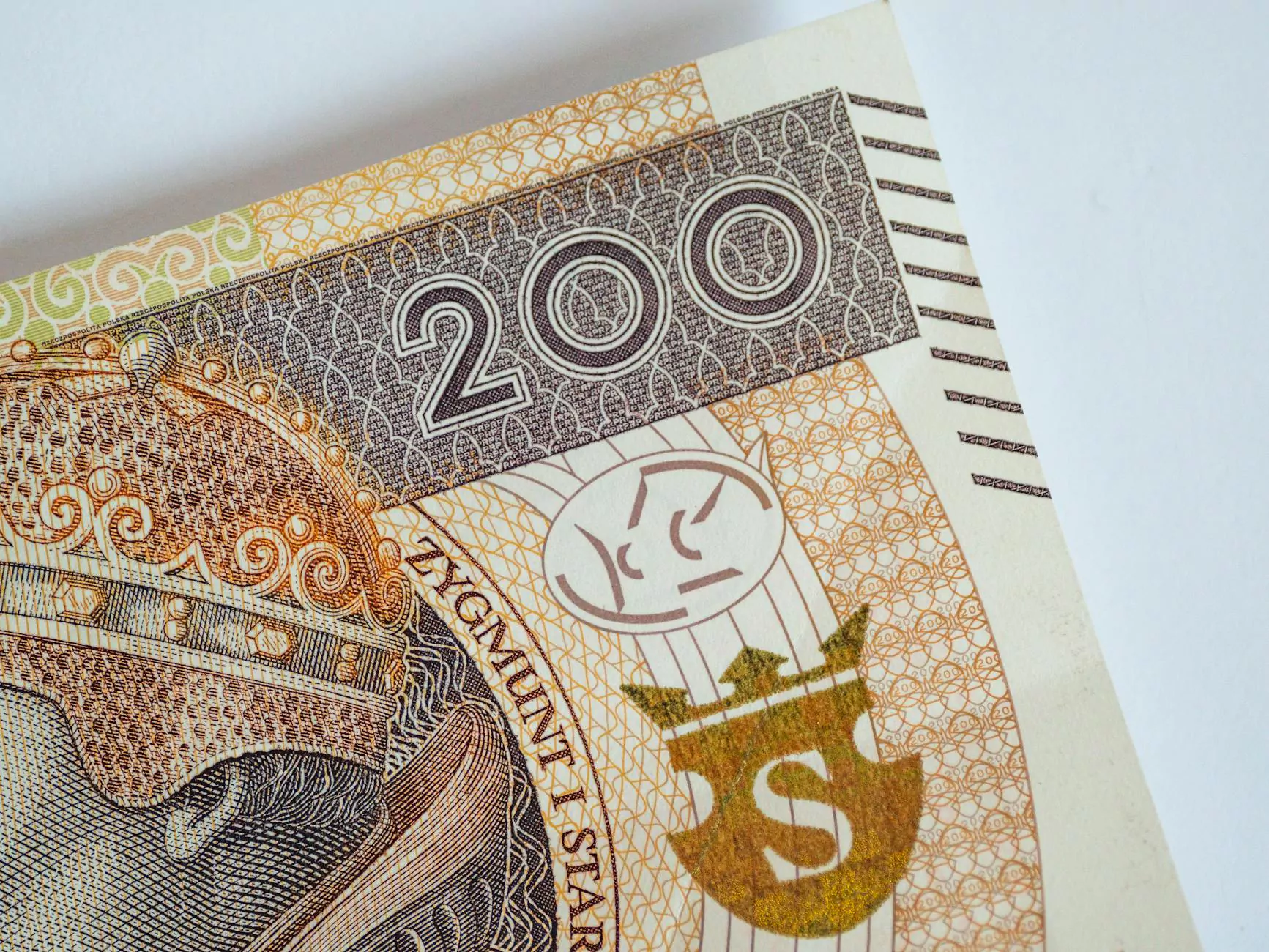
In the realm of finance and currency circulation, the proliferation of fake Britain money presents a complex challenge that affects banks, businesses, collectors, and the general public. While counterfeit currency often evokes negative connotations, understanding the nuances surrounding fake money is vital not only for safeguarding assets but also for appreciating its role within legal and illegal economies. This comprehensive guide aims to shed light on various facets of fake Britain money, providing valuable insights for stakeholders across sectors.
The History and Evolution of Currency in Britain
To understand the significance of fake Britain money, it is essential to appreciate the historical evolution of British currency. From medieval coinage to modern paper notes, the UK has consistently adapted its monetary system to meet economic needs, technological advances, and security challenges.
Ancient Coinage and Early Banknotes
British currency's origins trace back to medieval coinage, with gold and silver coins like the noble, groat, and shilling serving as primary mediums of exchange. The introduction of paper banknotes occurred in the 17th century, revolutionizing trade and commerce.
Modern Currency and Security Features
Today, the Bank of England issues banknotes featuring advanced security measures such as holograms, watermarks, and holographic strips. Despite these protections, counterfeiters continually refine their techniques to produce convincing replicas.
What is Fake Britain Money?
Fake Britain money encompasses counterfeit currency designed to mimic genuine banknotes issued by the Bank of England. These tokens or notes are produced without legal authorization with the intent to deceive recipients into believing they are authentic.
Types of Fake British Currency
- Counterfeit Banknotes: Replicas of current or historical banknotes, often produced in high quality.
- Replica Coins: Imitation coins mimicking British currency, generally used for decorative purposes.
- Digital Fake Currency: Online frauds involving fake digital currencies or payment methods mimicking real transactions.
The Impact of Fake Britain Money on the Economy
The circulation of fake Britain money has tangible repercussions on both macroeconomic stability and individual businesses. Understanding these effects is crucial for developing effective countermeasures.
Economic Risks and Distortions
Fake currency undermines confidence in the monetary system, potentially leading to inflationary pressures, decreased trust in cash transactions, and increased costs related to detection and prevention.
Business and Retail Challenges
Businesses face significant risks from counterfeit notes, including financial losses, reputational damage, and legal liabilities. Retailers, in particular, must be vigilant in validating the authenticity of incoming cash.
Law Enforcement and Crime Prevention
Counterfeit currency is often linked with broader criminal activities such as money laundering and organized crime. Law enforcement agencies dedicate significant resources to detecting and dismantling counterfeit networks.
Security Features of Genuine British Currency
To combat the threat of fake Britain money, the Bank of England incorporates cutting-edge security features into its banknotes. Recognizing these features helps stakeholders distinguish authentic currency from counterfeit.
Key Security Elements
- Holograms: Dynamic images that change appearance when tilted.
- Watermarks: Embedded images visible when held up to light.
- See-Through Windows: Transparent patches with intricate designs.
- Color-Shifting Ink: Ink that changes color when viewed from different angles.
- Raised Printing: Tactile features for visually impaired users.
Legal Perspectives and Consequences of Counterfeit Currency
Counterfeiting, including producing or handling fake Britain money, is a serious criminal offense. The Legal system in the UK enforces stringent penalties to deter such illegal activities.
Legislation Addressing Counterfeit Currency
The main legal framework includes the Counterfeit Money Act 1981 and the Fraud Act 2006, which criminalize the production, distribution, and possession of counterfeit currency. Convictions can lead to hefty fines and lengthy imprisonment.
Implications for Businesses and Collectors
Regardless of intent, unknowingly accepting counterfeit notes can result in financial loss and legal complications. Collectors should verify authenticity to preserve their investments and adhere to legal standards.
The Role of Technology in Detecting Fake Britain Money
Advances in technology have revolutionized counterfeit detection, making it easier for businesses and individuals to verify the authenticity of banknotes swiftly and accurately.
Innovative Detection Devices
- UV Detectors: Identify security features visible under ultraviolet light.
- Magnetic Ink Detectors: Detect magnetic properties embedded in genuine notes.
- Counterfeit Detection Apps: Smartphone applications capable of inspecting features and verifying notes.
Machine Learning and AI
Emerging AI-powered tools analyze high-resolution images of banknotes to spot inconsistencies and subtle signs of counterfeiting, providing an additional layer of security.
Dealing with Fake Britain Money in Business Transactions
Effective strategies are essential for businesses to minimize risks associated with fake Britain money.
Best Practices for Business Owners
- Implement counterfeit detection equipment at points of sale.
- Train staff regularly on security features and detection techniques.
- Maintain vigilant handling of cash, especially in high-traffic areas.
- Limit large cash transactions and prefer digital payments when possible.
- Establish clear procedures for validating questionable banknotes.
Collecting and Trading Fake Currency: Legal and Ethical Boundaries
While some collectors seek replica or counterfeit notes for educational or decorative purposes, it is imperative to adhere to legal boundaries. The unauthorized trading of counterfeit currency is illegal and punishable by law.
Using Fake Currency for Art and Education
Many artists and educators utilize replicas or high-quality reproduction notes legally for creative projects. Such uses must be clearly marked and not intended for fraudulent activities.
How undetectedbanknotes.com Supports Businesses and Collectors
Our platform offers in-depth resources, verification tools, and expert insights to assist stakeholders in identifying and understanding fake Britain money. We aim to promote transparency, security, and legal compliance in currency handling.
Our Services Include
- Authenticity verification techniques and advice.
- Latest updates on security features issued by the Bank of England.
- Guidelines for lawful trading and handling of currency replicas.
- Educational content on counterfeit detection methods.
- Legal support and compliance information.
Conclusion: Navigating the Complex World of Fake Britain Money
The landscape of fake Britain money is continually evolving, driven by technological innovations and illicit activities. For businesses, collectors, and consumers, staying informed and vigilant is paramount. Recognizing security features, employing modern detection tools, and understanding legal frameworks can significantly reduce risks associated with counterfeit currency.
By partnering with trusted resources like undetectedbanknotes.com, stakeholders can enhance their knowledge and safeguards against fake Britain money, ensuring integrity in all financial transactions and collections.
Additional Resources and References
- Bank of England Official Website on Security Features
- Counterfeit Money Act 1981 — Legal Framework
- UK Law Enforcement Agencies on Currency Crime
- Technological Innovations in Currency Verification
- Educational Guides on Identifying Counterfeit Notes